From Dough to Slice
The Pizza
A look at how crust, tomato, cheese and toppings come together on a slice.
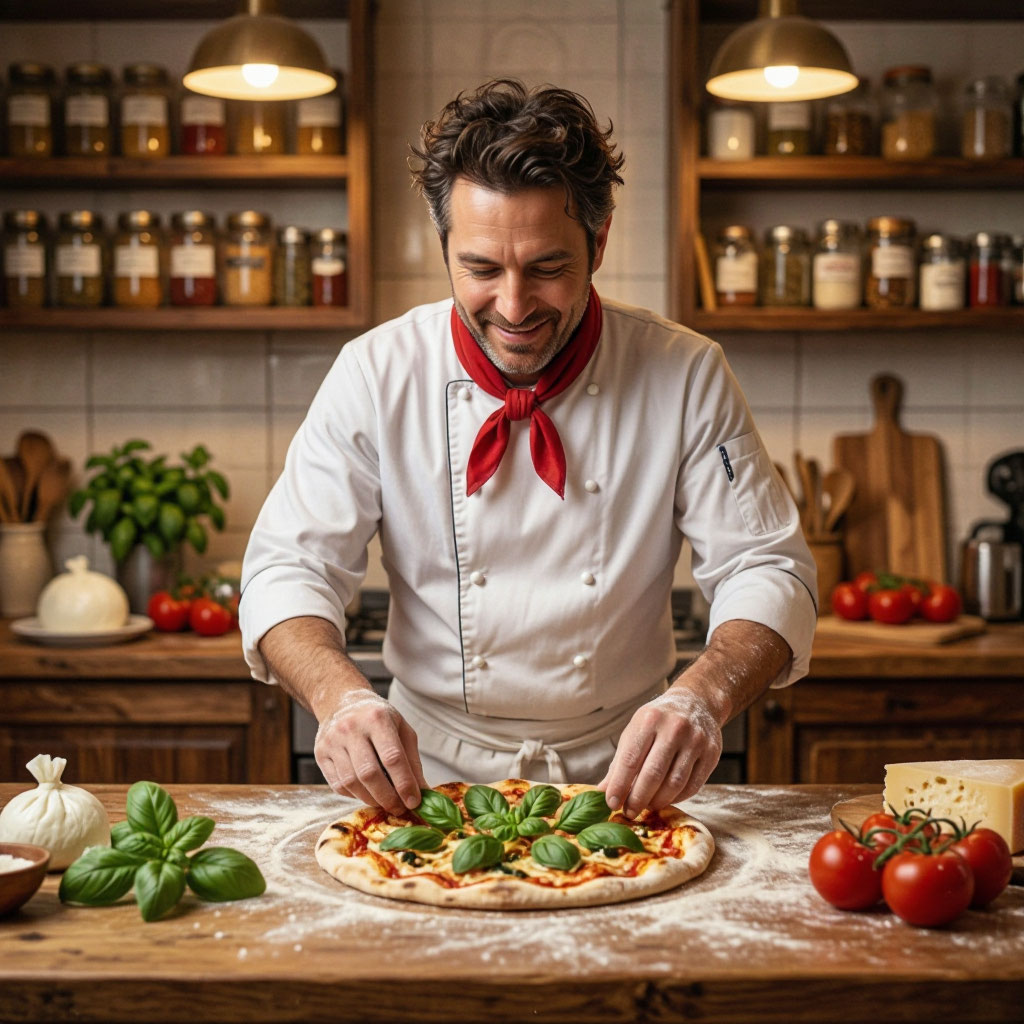
Dough and the rim
The first thing you notice when you pick up a slice is often the crust. It supports the center, gives your hand somewhere to hold the slice and changes texture as you move toward the edge. Dough gets that structure from the balance of flour and water and from the network that forms as the dough is mixed. Resting gives the dough time to relax, while fermentation develops gas and flavor. Both can influence how the dough feels when it is stretched and how the edge bakes.
When dough is opened into a round, the center and the rim do different jobs. Pressure through the center spreads the dough to an even base. Leaving some air near the outside gives the rim room to expand. An even center matters when the pizza is loaded with sauce and toppings because a very thin spot can tear or bake too fast. A thicker patch can stay doughy even while the rest of the slice is ready.
For a useful comparison at the table, try the first slice from a simple pie and a more heavily topped one while they are both warm. The base under a light tomato and basil pizza will feel different from the base under barbecue chicken and gouda. The dough has the same jobs in both cases, but the moisture and weight above it change how each bite feels.
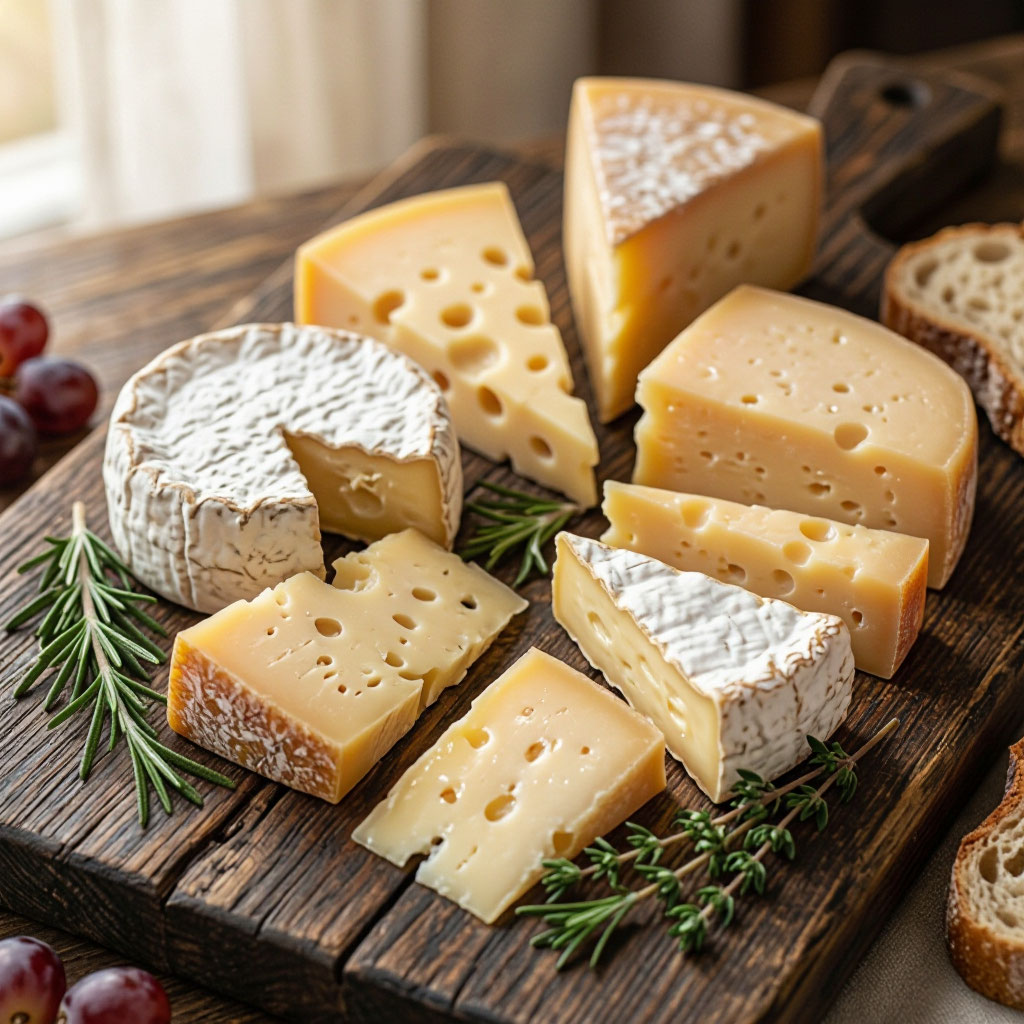
Sauce, cheese and balance
A tomato sauce brings acidity and moisture to the pizza. A thin, even layer makes it possible to taste the tomato across the pie and leaves space for the cheese and toppings. Sauce that collects in one spot creates a much wetter center, particularly when it sits beneath a topping that also releases liquid when heated. The amount of sauce matters as much as the seasoning, which is one reason a simpler pizza can be a good way to judge how a pie is put together.
Cheeses change the bake in different ways. Fresh mozzarella has a supple texture and contributes moisture. Aged mozzarella generally melts into a more cohesive layer. Gouda gives a smoky or nutty note depending on the cheese, and parmesan brings a concentrated salty finish in a small amount. Choose the Margherita for the flavor of fresh mozzarella and tomato, or try the Smokestack if you want a richer combination with barbecue sauce.
Ingredient lists on the menu explain the flavors you can expect. For a question about dairy, wheat, seasonings, or any other ingredient that affects what you can eat, call the restaurant and name the exact item you are considering. Ask about both the ingredients and the way the pizza is prepared if cross-contact is a concern.
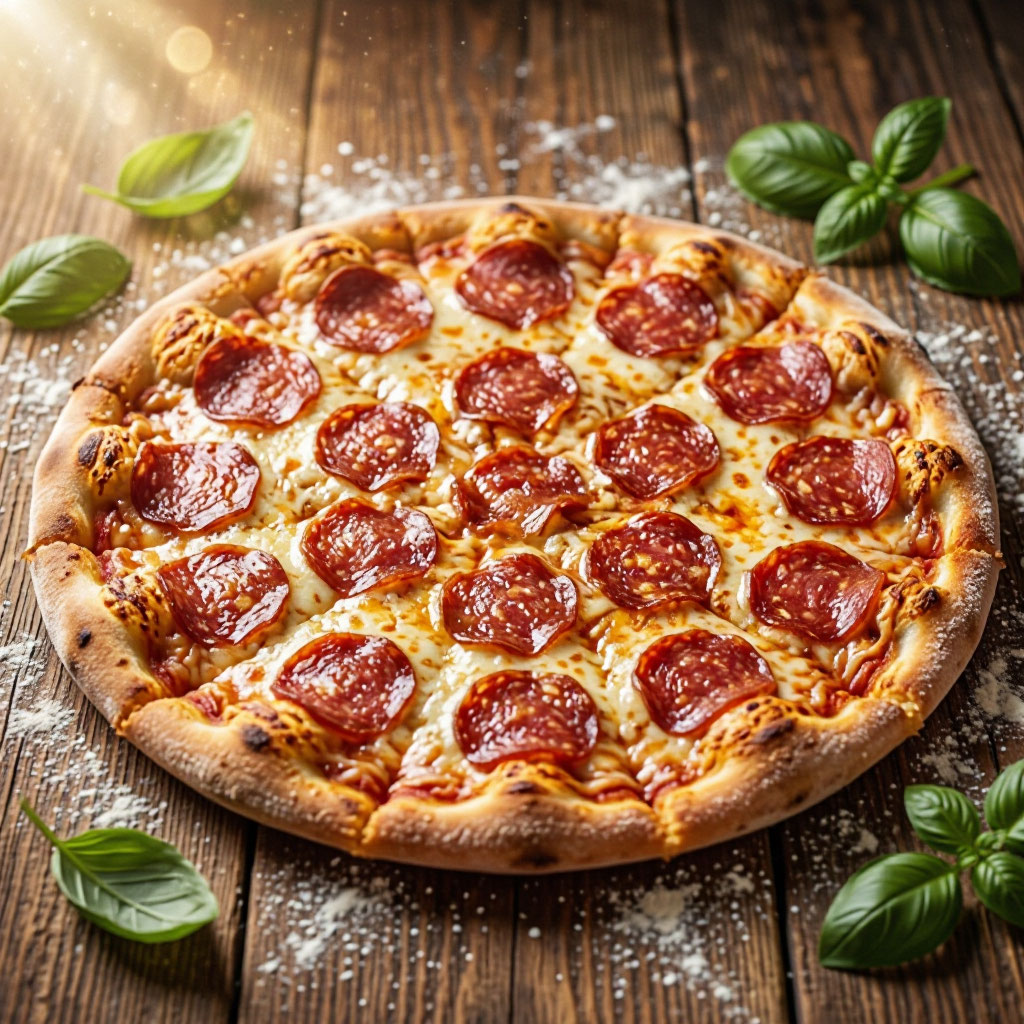
Toppings that make a slice
The distribution of toppings changes how the finished pizza eats. Spread pieces too close together and a slice can become heavy in the middle. Spread them across the surface and each wedge has a better chance of holding a little of everything. Moist vegetables contribute juice, while cured meats can crisp around the edges. A light finish applied across the top reaches more slices than a heavy pour in one area.
The Pepperoni is a good example of how that balance plays out. Cupped pepperoni gives the pizza a crisp, salty bite. Hot honey adds sweetness with some heat. The tomato and mozzarella underneath give those two flavors a familiar base. The Smokestack starts in a different place. Barbecue sauce and smoked chicken create a deeper flavor, and red onion and jalapeno give it a sharpness that helps carry the richer cheese through the slice.
The Margherita takes a simpler approach. Tomato, fresh mozzarella and basil leave more room to notice the crust and give the table a milder choice beside a pie with spicy toppings. If you are ordering several pizzas, putting a milder pie beside a more heavily seasoned one gives diners a clear choice and makes it easier to taste the character of each.
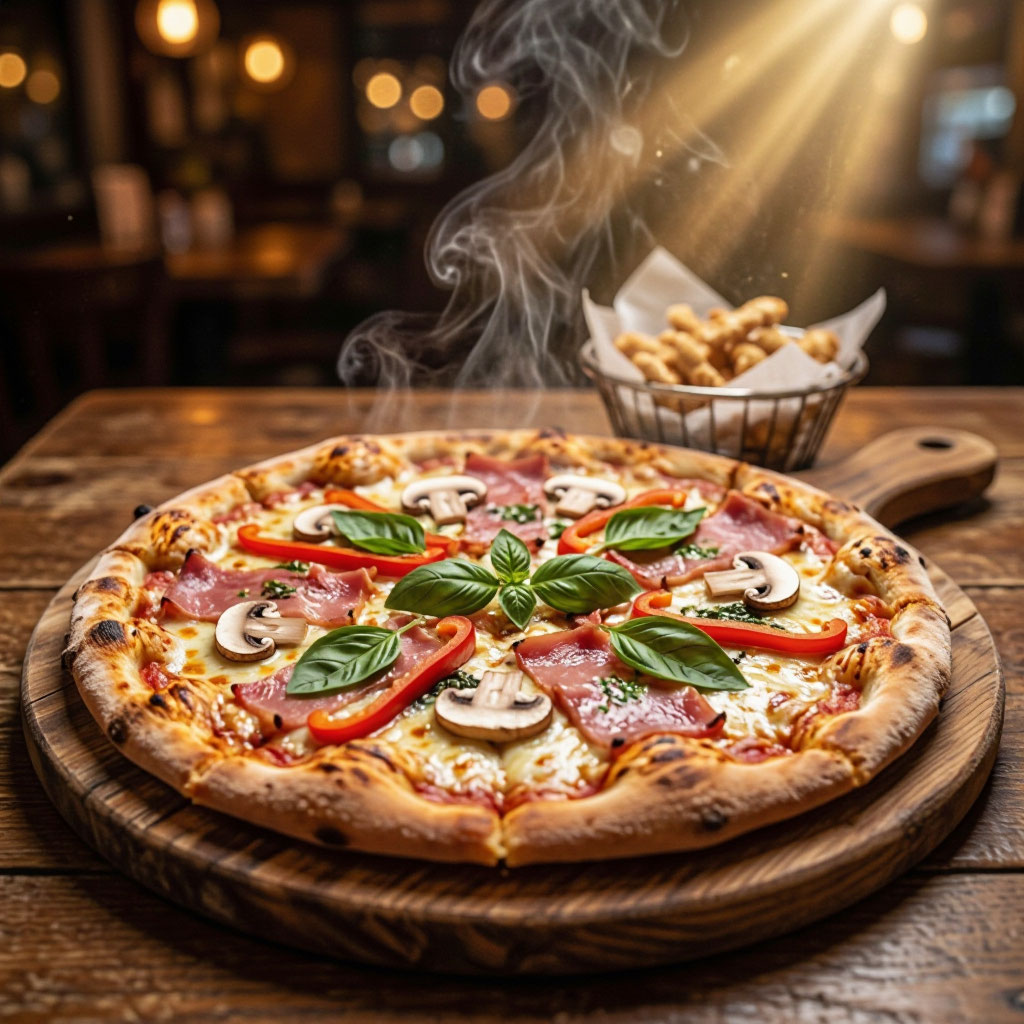
From the oven to the table
An oven has to do several things during a bake. Heat sets the underside of the dough, expands the rim, melts the cheese and cooks the top. Color around the edge and browning across the top tell different parts of that story. Once the pizza leaves the heat, steam continues to rise from the sauce and cheese, especially after the box closes. Opening the box when you arrive can release some of that steam before serving.
Get plates and napkins ready before the pizza arrives if you want to serve everyone at once. When there are different pies, open all the boxes so people can see the options and tell them which one has heat. Put lighter slices within easy reach and leave a little room around the boxes so people can serve themselves without lifting hot food over other dishes.
For leftovers, refrigerate slices promptly and reheat only what you plan to eat. A skillet or oven can bring back some crispness to the underside. Reheating in short intervals gives you a chance to stop when the cheese has warmed through and the crust feels the way you like it.